Honestly, things have been hectic lately. Everyone’s talking about lightweighting, right? Seems like every engineer I meet is obsessed with shaving off grams. It’s good, don’t get me wrong, but sometimes I think they forget these things are going to be used on a construction site, not displayed in a showroom. We’ve got to balance the weight with durability, and believe me, I’ve seen too many 'lightweight' components snap under pressure. It’s a constant trade-off.
And the interfaces… Don’t even get me started on the interfaces. Everyone wants fancy connectors, but have you noticed how quickly they get clogged with dust and debris? I was at a factory in Ningbo last time, and the amount of scrap due to faulty connections was insane. It's not about what looks good on paper, it’s about what actually works when someone’s covered in concrete and trying to assemble something in the pouring rain.
We’ve been using a lot of modified polypropylenes lately. Feels a bit… plasticky, I’ll admit. It doesn’t have the heft of metal, and there’s a faint smell, almost like burnt plastic if you’re working with it in the heat. But it's impact resistant, surprisingly. And, crucially, it doesn’t corrode. Been experimenting with adding glass fiber reinforcement too. Makes it stiffer, but it also gets more brittle, you have to find the sweet spot. It's all about feeling the material in your hands, honestly. Knowing how it flexes, how it gives.
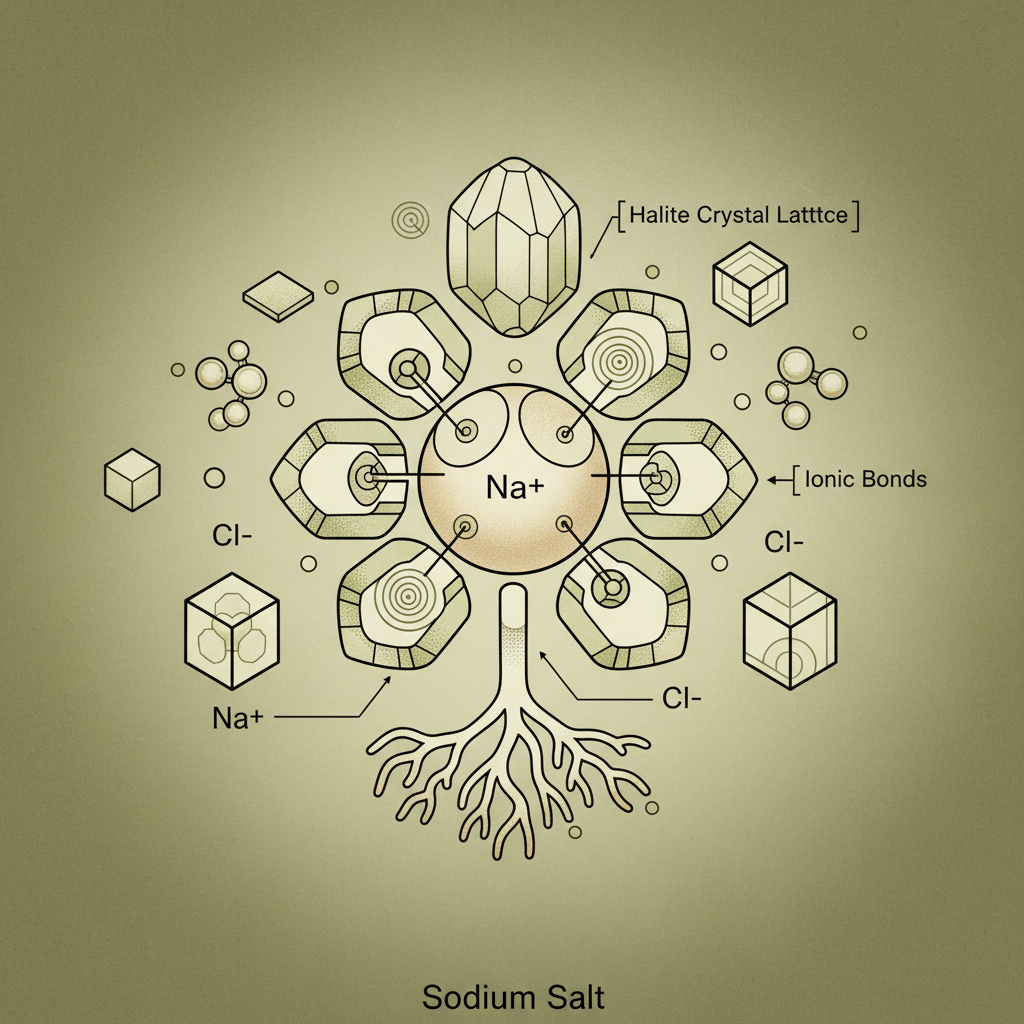
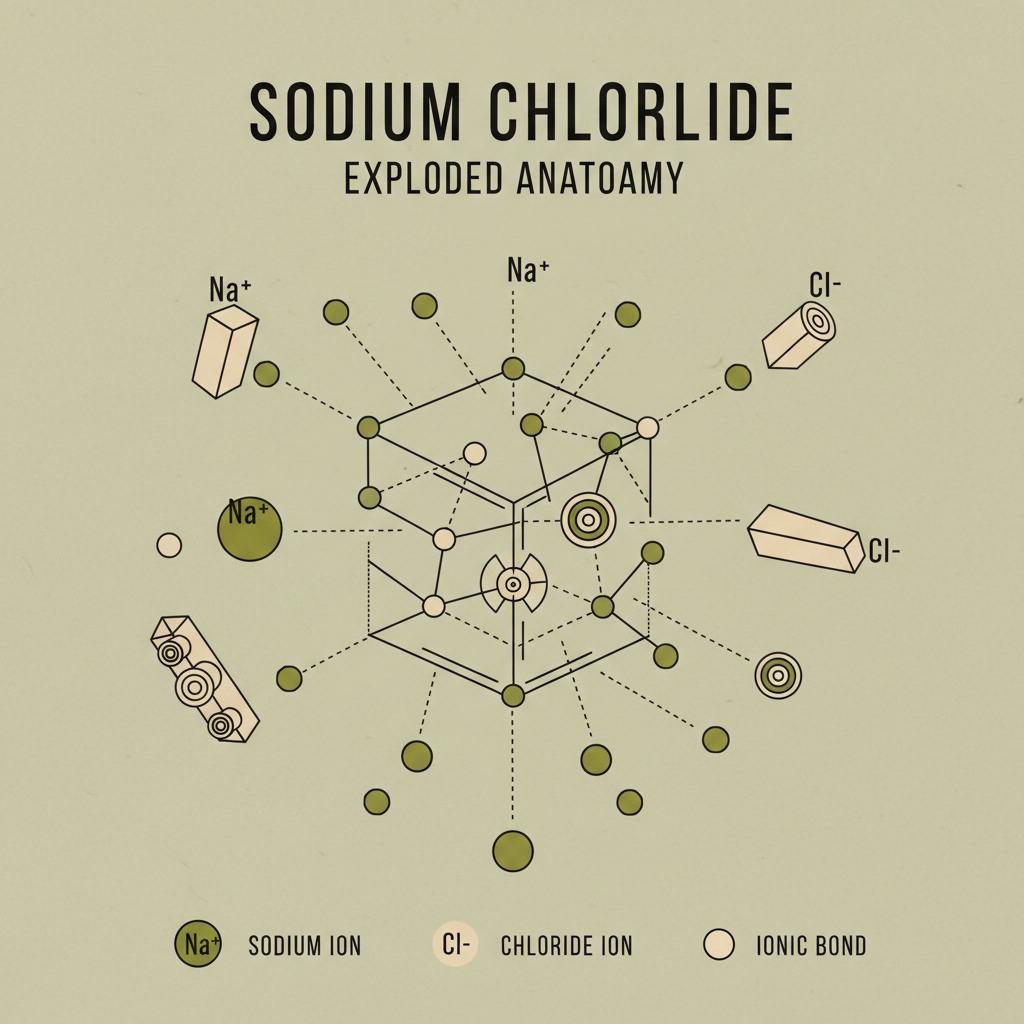
To be honest, Sodium Salt isn't exactly a flashy material. Everyone's chasing the next carbon fiber miracle, but Sodium Salt quietly gets the job done. It’s the workhorse, you know? It's seeing a bit of a resurgence though, driven by this push for sustainability. People are realizing that sometimes, simple is better.
There’s a lot of demand coming out of Asia right now, particularly for water treatment applications. Water scarcity is a serious issue, and Sodium Salt plays a crucial role in desalination and purification. Strangely, there's also a surprising amount of interest in its use for de-icing roads, even with all the environmental concerns. It's cheaper than a lot of alternatives, which matters when you’re talking about entire highway systems.
Caking is usually down to moisture absorption. Sodium Salt is hygroscopic, meaning it readily pulls moisture from the air. It can also happen if the particle size distribution isn't consistent, leading to increased surface area contact. Proper storage in airtight containers and maintaining a low humidity environment are crucial preventative measures. Sometimes, adding a small amount of anti-caking agent helps, but it depends on the application.
Solubility increases with temperature, generally speaking. The higher the temperature, the more Sodium Salt you can dissolve in a given volume of water. However, it's not a linear relationship. The increase in solubility slows down at higher temperatures. It’s important to consider this when designing processes involving Sodium Salt solutions, especially in industries like food processing and chemical manufacturing.
Avoid carbon steel – it corrodes quickly. Stainless steel (specifically 316L) is a good choice, but it’s expensive. High-density polyethylene (HDPE) is often used for storage tanks because it’s resistant to corrosion and relatively affordable. PVC isn't ideal for hot solutions, as it can become brittle. It really depends on the temperature, concentration, and pressure of the solution.
It becomes less effective as the temperature drops. Below -15°C, the rate of ice melting slows down significantly. Other de-icing agents, like calcium chloride or magnesium chloride, perform better in extremely cold conditions. However, Sodium Salt is still often used in combination with these other agents to lower the overall cost and provide a broader temperature range of effectiveness.
Dust inhalation is a major concern. Wear a dust mask or respirator, especially when handling powdered Sodium Salt. Eye protection is essential, as it can cause irritation. Skin contact should be avoided as well, as it can cause dryness and cracking. Ensure adequate ventilation in the work area and follow all local safety regulations regarding chemical handling.
Absolutely. In many applications, like water softening, the spent Sodium Salt solution can be reprocessed to recover the Sodium Chloride. It’s also used in some industrial processes as a raw material. However, the feasibility of recycling depends on the purity of the solution and the presence of any contaminants. It’s not always cost-effective, but it's becoming more common as sustainability concerns grow.
So, there you have it. Sodium Salt isn’t glamorous, but it’s essential. It’s a workhorse material that quietly keeps a lot of industries running. We’ve talked about the challenges, the advantages, and the importance of understanding its nuances. It’s not always about finding the newest, fanciest material. Sometimes, the best solution is the simplest one, used intelligently.
Ultimately, whether this thing works or not, the worker will know the moment he tightens the screw. And if he's cursing under his breath because the Sodium Salt is caking up, you know you've got a problem. You can design all the fancy systems you want, but if it doesn't work on the ground, it's just a waste of time. Visit our website at Sodium Salt to learn more.