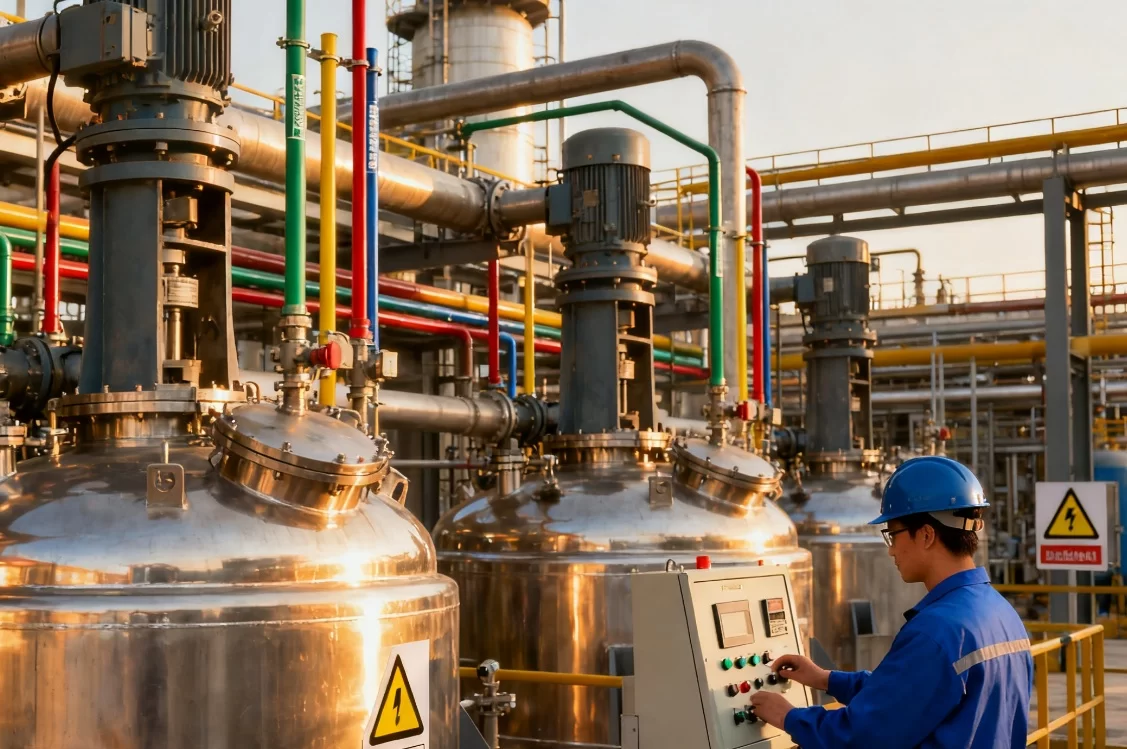
Understanding High Foaming Cleanser: A Key to Cleaner, Greener Industries
You might be wondering, why should we care about something as specific as a high foaming cleanser? Well, they play a surprisingly vital role across various industries worldwide—think healthcare, food production, even disaster relief efforts. In fact, in a world increasingly focused on hygiene and sustainability, knowing how these cleansers function and why they matter isn’t just technical trivia; it can affect everything from public health to environmental footprints.
According to the International Organization for Standardization (ISO), cleanliness standards drive product innovation globally. The same benchmarks push foaming cleansers to be more efficient and eco-friendly, showing their critical place in everyday life and industry.
What Is a High Foaming Cleanser?
Simply put, a high foaming cleanser is a cleaning agent designed to generate a rich, thick foam when mixed with water. This foam substantially increases the surface area of the active cleaning agents, allowing more effective dirt and grease removal. Think of it as multiplying the cleanser’s power by making it spread and stick better. They’re everywhere—from personal care products like shampoos to industrial degreasers.
In modern industry or humanitarian contexts—like field hospitals or food processing plants—these cleansers help maintain hygiene standards efficiently, often under water-scarce or resource-constrained conditions.
Key Factors Behind High Foaming Cleansers
1. Surfactant Type and Concentration
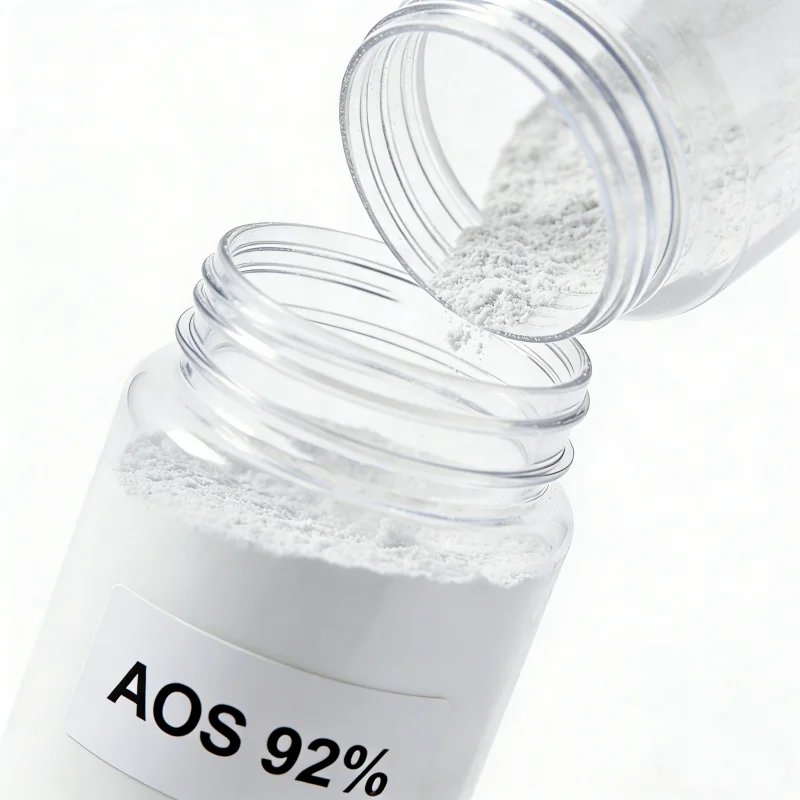
Surfactants are the chemical heroes here: they reduce surface tension to create foam. Choosing the right surfactant, often amphoteric or anionic, balances foam density with gentleness, important for both skin-friendly and industrial-grade products.
2. Water Hardness Compatibility
Not all water is equal—hard water can kill foam before it even forms. High foaming cleansers are often formulated with chelating agents that sequester minerals and keep foam stable, ensuring effectiveness worldwide.
3. Biodegradability & Environmental Safety
With rising global attention on sustainability, more formulations now emphasize eco-safe ingredients. ISO standards and EPA guidelines stress that good foaming cleansers should break down without harming aquatic life.
4. pH Balance
For skin-friendly products or sensitive surfaces, a neutral or mildly acidic pH helps minimize irritation while maintaining strong cleaning action.
5. Fragrance and Sensory Appeal
Oddly enough, a good scent isn’t just luxury—it can affect user experience and compliance in settings like hospitals or food preparation plants, where discomfort can lead to skipped cleanings.
| Specification | Typical Value |
|---|---|
| Surfactant Type | Anionic / Amphoteric Blend |
| Foam Volume (ml) | 120+ (per 10ml solution) |
| pH Range | 5.5 – 7.0 |
| Biodegradability | Over 90% in 28 days |
| Usage Temperature | 10°C – 50°C |
Mini takeaway: High foaming cleansers are intricate blends designed around chemistry and real-world constraints, marrying foam quality with environmental and user needs.
Global Applications and Use Cases
In healthcare settings, especially in regions challenged by limited water supply, high foaming cleansing agents allow thorough sanitation with less rinse water. Think of hospitals in Southeast Asia or refugee camps maintaining infection control with these products. The UN’s ongoing sanitation programs endorse foam cleansers for precisely that reason.
In food processing plants across Europe and North America, these cleansers ensure compliance with hygiene standards while protecting machinery from corrosion thanks to tailored formulations.
Industrial zones dealing with heavy grease and oils, like automotive factories in Japan or chemical plants in the Middle East, benefit greatly from high foam scrubbers that make cleaning less laborious and more thorough.
On a humanitarian front, during disaster relief, NGO teams use portable foam quick-clean systems to maintain hygiene standards amid logistic chaos, showing how versatile these cleansers truly are.
| Vendor | Foaming Strength | Eco-Certified | pH Range | Price (per liter) |
|---|---|---|---|---|
| CleanFoam Inc. | High (130 ml) | Yes (ISO 14024) | 6.0 | $15 |
| GreenClean Solutions | Moderate (110 ml) | Yes (EPA Safer Choice) | 5.5 | $18 |
| FoamPro Ltd. | Very High (140 ml) | No | 7.0 | $13 |
Mini takeaway: Choosing a cleanser depends on needs—environmental certification, foaming power, or pH balance—each factor guiding industry users or humanitarian groups.
Advantages and Long-Term Value of High Foaming Cleansers
- Cost Efficiency: Less cleanser and water used due to superior foam spread translates to lower operational costs.
- Sustainability: Biodegradable formulas reduce ecological impact, important for compliance and corporate responsibility.
- Enhanced Safety: Better cleaning means fewer bacteria and viruses persisting on surfaces, key in healthcare and food industries.
- User Experience: Pleasant scents and soft textures encourage regular use, vital for effective protocols.
- Innovation and Trust: Manufacturers investing in green certifications and advanced chemistry build stronger brand reputations.
These benefits create a win-win for businesses and societies alike, melding innovation with tangible wellbeing. I suppose you could say that good cleansers quietly enhance public health and environmental goals simultaneously.
Future Trends and Innovations
Looking ahead, expect high foaming cleansers to integrate ultra-green surfactants derived from bio-based sources. Digital transformation plays a role too—think smart dispensing systems optimizing doses.
Automation in industrial cleaning, combined with foam sensors, allows precise control to cut waste. There’s also an exciting push for zero-water rinse formulations, revolutionizing hygiene in water-scarce areas.
Challenges and Solutions
Despite progress, a few hurdles remain. Hard water regions still pose formulation challenges. And low-price products flooding markets may sacrifice eco-quality.
The solution? Collaborations between chemists and environmental agencies are leading to better chelating agents, and certification transparency helps customers choose wisely. A clever approach includes modular foam dispensers that adjust output based on local water quality.
FAQs About High Foaming Cleanser
- What industries benefit most from high foaming cleansers?
- Healthcare, food processing, and industrial manufacturing all rely heavily on these cleansers for hygiene and surface care, especially where water usage needs reduction.
- How do high foaming cleansers impact environmental sustainability?
- By reducing water and chemical use and incorporating biodegradable surfactants, they minimize environmental footprint—crucial under increasing regulation.
- Can high foaming cleansers work effectively in hard water areas?
- Yes, modern formulations include chelating agents that bind minerals, preserving foam quality and cleaning power even in challenging water conditions.
- Are high foaming cleansers safe for sensitive skin?
- Many are pH-balanced and mild, making them suitable for hands and delicate surfaces, though it’s always best to check for specific dermatological approvals.
- Where can businesses source certified eco-friendly high foaming cleansers?
- You can explore certified options via trusted suppliers or industry marketplaces—like High Foaming Cleanser providers who highlight ISO or EPA eco-labels.
Conclusion and Invitation
In real terms, high foaming cleansers do more than just clean—they embody a blend of science, care, and sustainability that industries across the globe increasingly demand. Their long-term value shines in improved hygiene, eco-consciousness, and operational savings. If you want to explore solutions that align with these goals, I suggest visiting our website to find products tailored to your specific needs.
Thanks for sticking with me on this journey through foam—and if you’ve got questions, I’d say now is the perfect time to dive in and get started!
Casual takeaway: High foaming cleansers quietly but powerfully boost global cleanliness and sustainability efforts—definitely worth a deeper look!