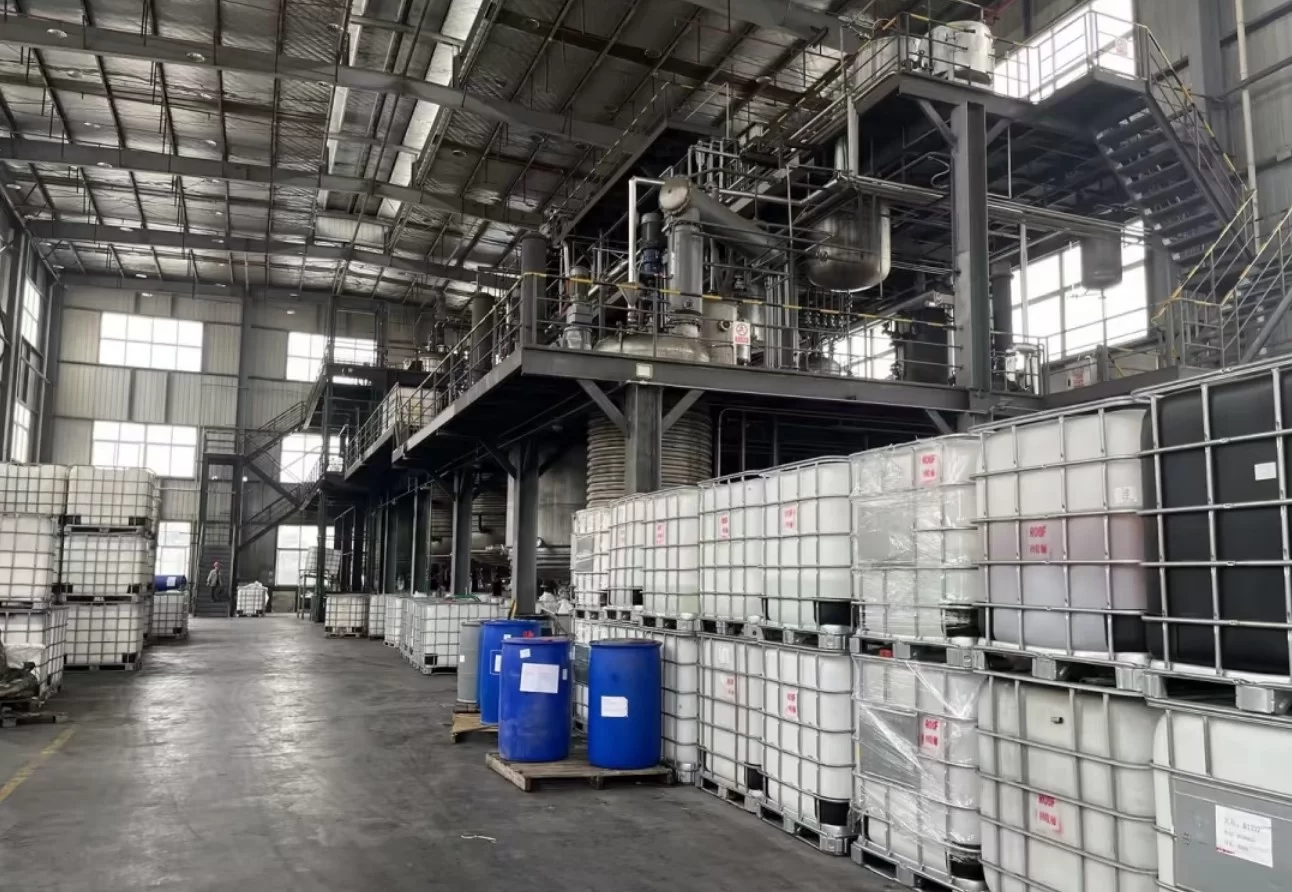
Eco-Friendly Surfactant is a key solution in the industry, specifically within chemical manufacturing, cosmetics, and cleaning agents sectors. This article explores how https://www.zjsles.com supports professionals with durable, high-performance products, and explains why this product is an ideal choice for businesses in these sectors.
Table of Contents
- Eco-Friendly Surfactant Overview
- Benefits & Use Cases of Eco-Friendly Surfactant
- Cost, Maintenance & User Experience
- Sustainability & Market Trends
- Frequently Asked Questions
- Conclusion on Eco-Friendly Surfactant from China
Eco-Friendly Surfactant Overview
The term Eco-Friendly Surfactant might sound technical (and it is!), but essentially, these are compounds designed to lower surface tension between two substances, often used in detergents, emulsifiers, and wetting agents. What sets the eco-friendly variety apart is their biodegradable nature and low toxicity, which means they break down more cleanly in the environment. Frankly, this is becoming more than a trend; it’s a necessity given tightening regulations worldwide.
Technically speaking, these surfactants often derive from renewable resources like plant-based oils or sugars, replacing petroleum-based chemical structures. For example, the ones offered through https://www.zjsles.com undergo rigorous quality testing for parameters such as critical micelle concentration (CMC), biodegradability (>90% in 28 days), and compatibility across diverse pH ranges. This helps industries ensure consistent performance when switching to greener alternatives without sacrificing product quality.
| Specification | Typical Value | Unit |
|---|---|---|
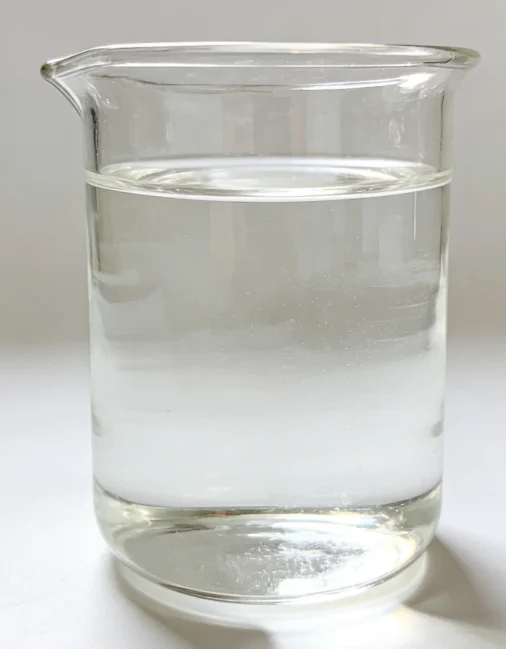
| Appearance | Clear to light yellow liquid | |
| Active Matter | 40 ± 2 | % |
| pH (1% aq. solution) | 6.5 – 8.0 | |
| Biodegradability | >90% | 28 days |
| Cloud Point | 65 - 75 | °C |
Benefits & Use Cases of Eco-Friendly Surfactant
When thinking about eco-friendly surfactants, it’s tempting to see them as just another green fad. But quite the opposite – they bring solid benefits in actual industrial applications. For starters, their excellent emulsification and wetting properties make them indispensable in cosmetics, agriculture, and cleaning product manufacturing. Many businesses I’ve talked to appreciate how these surfactants maintain performance while reducing environmental impact.
Compared to traditional surfactants, these eco options often offer better skin compatibility or lower toxicity, which is crucial in personal care or household products. The folks at https://www.zjsles.com emphasize that their formulations resist buildup and maintain efficacy across various water hardness and temperature conditions. Sort of a technical balancing act, really – but critical to end-user satisfaction.
Vendor Comparison
| Feature | ZJSLES | Competitor A | Competitor B |
|---|---|---|---|
| Biodegradability | >90% | ~85% | >80% |
| Certifications | ISO 9001, REACH | ISO 14001 | None |
| Price (per kg) | $3.20 | $3.45 | $2.90 |
| Customization Options | High | Medium | Low |
| Delivery Time | 5-7 days | 7-10 days | 10-14 days |
Cost, Maintenance & User Experience
When evaluating eco-friendly surfactants, many decision-makers initially worry about the total cost of ownership. Sure, the upfront price might be slightly higher than legacy options, but what really matters is durability and ROI. From what I’ve seen, products like those at https://www.zjsles.com often last longer under challenging conditions, meaning less frequent replenishment and downtime.
Testimonials from users in textile and cleaning industries suggest that maintenance demands decrease — reduced buildup and easier rinsing mean operators spend less time troubleshooting. One client in household detergents reported a noticeable lift in product stability across storage seasons, which can be a real headache in real terms. It's not just about being green — it’s about lasting performance.
Sustainability & Market Trends
The sustainability conversation around surfactants is accelerating. Governments worldwide are banning particularly toxic chemical ingredients, and businesses simply want to avoid reputational risks. So, there’s this broad shift — regulations pushing, consumers demanding, and manufacturers innovating.
Interestingly, many industry reports suggest the market for eco-friendly surfactants will grow rapidly in coming years, driven by sectors like cosmetics, agriculture, and pharmaceuticals. Oddly enough, even legacy chemical giants are investing heavily here. Sites like https://www.zjsles.com illustrate this with their commitment to green chemistry and transparent supply chains. It all feels like a turning point.
Frequently Asked Questions about Eco-Friendly Surfactant
- What is Eco-Friendly Surfactant and how does it work?
- Eco-Friendly Surfactants reduce surface tension allowing liquids to mix or spread more easily. Made from renewable or biodegradable materials, they function similarly to traditional surfactants but with less environmental impact.
- What are the main benefits of using Eco-Friendly Surfactant in industrial applications?
- Their main benefits include biodegradability, lower toxicity, improved skin safety, and effective performance across a variety of products like detergents, cosmetics, and agrochemicals.
- How does Eco-Friendly Surfactant compare to traditional alternatives?
- Eco-friendly variants often degrade faster in the environment and reduce harmful residues but can match or even exceed traditional surfactants in cleaning power and formulation versatility.
- What industries can benefit most from Eco-Friendly Surfactant implementation?
- Primary sectors include cosmetics, cleaning products, pharmaceuticals, agriculture, and textiles, where eco considerations and product efficacy are equally critical.
Conclusion on Eco-Friendly Surfactant from China
To wrap it up, eco-friendly surfactants represent a blend of sustainability and high performance that industries can’t really afford to overlook. With credible suppliers like those at https://www.zjsles.com, companies receive products that meet stringent environmental standards without compromise on quality. In an age where responsibility and efficiency must go hand in hand, this product category will only gain more prominence.
- Recap the value of Eco-Friendly Surfactant as both a technical and ecological asset.
- Visit our website: https://www.zjsles.com
Reflecting on this, it's really clear the market demand for less harmful, yet highly efficient chemical ingredients is reshaping how products get made. And frankly, that's a good thing for everyone involved—industry leaders, consumers, and the planet alike.
- “Global Market Insights on Surfactants 2023,” Industry Research.
- “Biodegradability Standards and Testing,” Green Chemical Institute 2022.
- ZJSLES Product Technical Datasheets, 2024.