Understanding Linear Alkylbenzene Sulfonate 60%: A Key Surfactant in Global Industry
At first glance, Linear Alkylbenzene Sulfonate 60% might sound like a mouthful of chemicals tucked away in a lab. But in reality, it's one of the most widely used surfactants worldwide—found at the heart of detergents and cleaning agents that keep our homes and industries clean. Knowing what it is, why it matters, and how it fits into a global context isn’t just industry jargon; it’s essential for anyone involved in manufacturing, environmental science, or even disaster relief operations. Frankly, with the world more focused than ever on sustainability and efficient resource use, understanding this compound reveals a fascinating story of molecular engineering serving practical needs globally.
Introduction: Why Linear Alkylbenzene Sulfonate 60% Is More Relevant Than Ever
Globally, surfactants like Linear Alkylbenzene Sulfonate (LAS) dominate the detergent market, accounting for a large share of cleaning formulations. According to industry data, LAS comprises around 60% of the anionic surfactant market, with Linear Alkylbenzene Sulfonate 60% being a primary commercial product grade. The importance here isn’t just in volume—it’s in performance coupled with cost efficiency. The UN Industrial Development Organization backs cleaner, sustainable surfactants to reduce the environmental footprint. The challenge? Balancing high cleaning power with biodegradability and affordability in emerging markets.
In fact, in many developing regions where access to affordable hygiene products can be an issue, LAS 60% serves as a reliable ingredient that bridges cost, effectiveness, and environmental considerations.
Defining Linear Alkylbenzene Sulfonate 60%
Put simply, Linear Alkylbenzene Sulfonate 60% is an anionic surfactant derived from linear alkylbenzene that's sulfonated, resulting in a molecule that helps water mix with oil and grease. Think of it as the 'middleman' that allows dirt to be suspended in washing water and rinsed away easily. The '60%' indicates the concentration of active surfactant, a common formulation strength balancing potency and stability.
This surfactant is a staple in industrial detergents, household cleaners, and even some specialized applications like textile processing. It’s also linked to humanitarian needs; clean water and hygiene products rely on effective surfactants to prevent disease transmission, especially post-disaster.
Key Components & Factors of Linear Alkylbenzene Sulfonate 60%
1. Cleaning Efficiency
The star of the show — LAS molecules effectively reduce surface tension and remove stubborn soils, lipids, and particulate matter. Its linear alkyl chain provides optimal interaction with grease, outperforming older branched surfactants in biodegradability.
2. Biodegradability
One reason LAS took over from branched alkylbenzene sulfonates (BAS) in the 1960s is its environmental friendliness. Studies (including peer-reviewed journals) show LAS biodegrades under aerobic conditions, reducing ecological risk when used at recommended levels.
3. Cost Efficiency & Availability
Because it can be produced at scale using relatively inexpensive raw materials like linear paraffins and benzene derivatives, LAS 60% offers an affordable option for manufacturers looking to balance price and performance.
4. Compatibility & Versatility
LAS 60% mixes well with other surfactants (nonionic and amphoteric), allowing formulators to create versatile detergents and cleaner blends for household and industrial use.
5. Stability & Storage
At 60% active content, LAS is a stable liquid or paste under recommended conditions, making it easier to transport and store compared to higher concentration solids.
Mini takeaway: LAS 60% stands out because it strikes a practical balance—effective yet environmentally conscious, affordable yet powerful, stable yet versatile.
Global Applications & Real-World Use Cases
In real terms, you’ll find Linear Alkylbenzene Sulfonate 60% everywhere—literally. Here’s a quick snapshot:
- Household Cleaners: Most laundry powders and liquid detergents employ LAS as their primary surfactant.
- Industrial Cleaning: Used in textile mills, paper processing, and metal degreasing operations.
- Humanitarian Aid: NGOs use LAS-containing soaps in refugee camps and disaster-hit regions to help maintain hygiene standards (Linear Alkylbenzene Sulfonate 60% supply chains play a vital role here).
- Africa and Southeast Asia: Surfactant availability at affordable prices helps improve public health outcomes in areas where access to commercial cleaning products was limited.
Mini takeaway: From high-tech industry floors to remote relief efforts—LAS 60% quietly underpins essential hygiene and cleaning processes worldwide.
Product Specifications of Linear Alkylbenzene Sulfonate 60%
| Parameter | Typical Value | Units |
|---|---|---|
| Active Matter Content | 60 ± 1 | % |
| pH (1% solution) | 6.5 to 7.5 | --- |
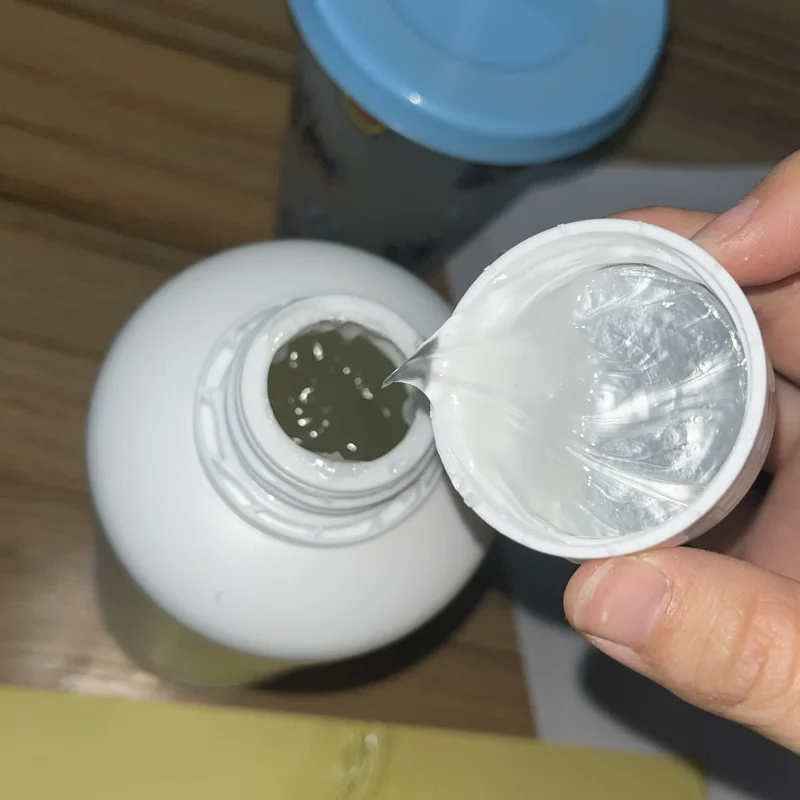
| Appearance | Pale yellow liquid or paste | --- |
| Free Alkali (as NaOH) | Max 1.5 | % |
| Storage Stability | 6 months (minimum) | --- |
Vendor Comparison: Leading Suppliers of Linear Alkylbenzene Sulfonate 60%
| Supplier | Purity (%) | Pricing (USD/MT) | Delivery Lead Time | Sustainability Certifications |
|---|---|---|---|---|
| GlobalChem Inc. | 60 ± 0.5 | 950 - 1050 | 3-4 weeks | ISO 14001, REACH |
| CleanWave Chemicals | 60 ± 1 | 900 - 1000 | 2-3 weeks | REACH Verified |
| EcoSurfactants Ltd. | 60 ± 0.7 | 980 - 1070 | 4-6 weeks | EcoLabel, ISO 9001 |
Advantages & Long-Term Value of Linear Alkylbenzene Sulfonate 60%
From a manufacturer’s viewpoint, this surfactant’s major advantage is the reliable high-performance cleaning it provides without driving up costs or environmental impacts. For consumers, it’s the clean clothes and safe homes they count on every day. There’s also a bit of peace-of-mind in knowing the active ingredient biodegrades instead of lingering indefinitely, as some older surfactants used to do.
Socially, access to affordable hygiene products containing LAS 60% means better health outcomes—key in underserved communities where infectious diseases spread easily. Trust grows in markets where products are consistent and effective, which frankly solidifies brand reputations.
Emerging Trends & Innovations Around LAS 60%
The industry isn’t static. Innovations focus on greener synthesis pathways—like using renewable feedstocks or enzymatic sulfonation processes—cutting carbon footprints. Digital supply chains are enabling better traceability, helping companies comply with stricter environmental regulations like REACH and minimizing waste.
Moreover, hybrid formulations combining LAS 60% with biodegradable nonionic surfactants promise even softer environmental profiles while maintaining cleaning power. Some researchers are exploring nano-encapsulation for controlled release, which could both enhance efficacy and reduce dose requirements.
Common Challenges & Expert Solutions
It’s fair to say no product is perfect. LAS 60% can face challenges with water hardness tolerance in certain regions, sometimes requiring co-surfactants or water softeners for optimal function. Also, regulatory pressure on surfactants demands constant adaptation and transparency.
Experts recommend close formulation testing per target markets, continuous monitoring of biodegradability profiles, and supplier audits to ensure raw materials meet environmental and quality standards. When logistics or delivery times falter during crises, flexible supply agreements and local warehousing can be life-savers.
FAQ About Linear Alkylbenzene Sulfonate 60%
- Q: What is the difference between Linear Alkylbenzene Sulfonate 60% and other surfactant concentrations?
- A: The 60% refers to the active matter concentration. It balances ease of handling with cleaning power; higher concentrations exist but may need dilution before use, while lower concentrations might be less potent but easier to formulate.
- Q: How environmentally friendly is LAS 60% compared to other surfactants?
- A: LAS 60% is more biodegradable than older branched surfactants and has relatively low aquatic toxicity at recommended usages. Still, it must be managed properly in wastewater treatment for best outcomes.
- Q: Can LAS 60% be used in both liquid and powder detergents?
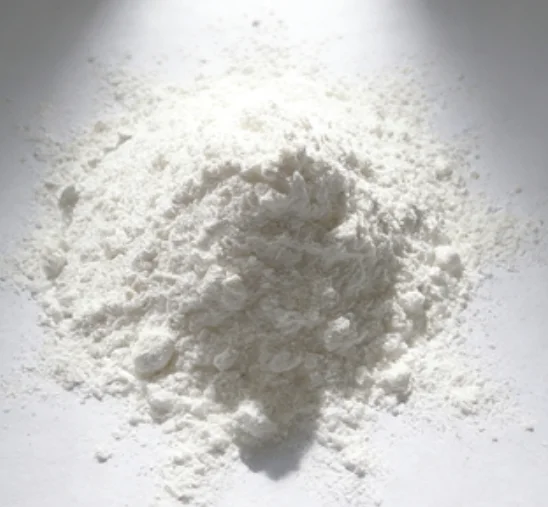
- A: Yes, its stable nature at 60% active content makes it versatile for formulation in liquids, pastes, or powders, allowing wide industry application.
- Q: What industries rely most heavily on LAS 60%?
- A: Primarily detergent manufacturers, textile industries, and industrial cleaning sectors, as well as humanitarian organizations needing reliable hygiene solutions.
Conclusion and Call to Action
In sum, Linear Alkylbenzene Sulfonate 60% isn’t just another chemical—it’s a trusted, proven, and evolving cornerstone of global cleaning technologies. Its mix of efficiency, environmental sensitivity, and cost makes it a compelling choice across continents and industries.
If you want to dive deeper, explore formulations, or source dependable quality, you’re welcome to visit our website: https://www.zjsles.com. The world of surfactants might surprise you—it’s cleaner, greener, and more relevant than ever.
Quick takeaway: Understanding LAS 60% reveals how smart chemistry meets practical needs globally, quietly shaping hygiene and sustainability.