Foam booster technology is rapidly becoming integral to a multitude of industries, from construction and manufacturing to emergency response and environmental remediation. The increasing demand for lightweight, durable, and cost-effective materials drives the need for advancements in foam formulations and application techniques. Understanding the capabilities and nuances of foam booster systems is no longer just a technical concern; it’s a key factor in innovation and efficiency across the globe.
Globally, the market for specialized foam solutions is experiencing significant growth, spurred by factors like urbanization, infrastructure development in emerging economies, and escalating disaster relief efforts. The ability of foam booster applications to quickly and effectively address complex challenges – like insulation, cushioning, structural support, and containment – is highly valued. Data from the United Nations indicates a rising need for rapid deployment housing and infrastructure solutions in areas affected by conflict and natural disasters.
The rising cost of traditional materials and increasing environmental concerns further fuel the adoption of foam booster technologies. These systems offer a pathway towards more sustainable practices, reduced waste, and improved performance characteristics in diverse applications. Investing in research and development, alongside improved standardization, is crucial to fully realizing the potential of foam booster solutions worldwide.
Introduction to Foam Booster Technology
Foam booster technology isn't simply about creating foam; it’s about optimizing its properties for specific applications. This involves precisely controlling the chemical reactions, gas introduction, and material composition to achieve desired characteristics like density, cell structure, and resilience. Modern foam booster systems often integrate advanced sensors and control algorithms to ensure consistent and reliable performance.
The core concept centers around enhancing the expansion and stabilization of foam, allowing for more efficient use of raw materials and improved overall performance. This leads to lighter-weight structures, increased insulation value, and enhanced protective capabilities, making it a versatile tool in a wide range of industrial and consumer applications.
Defining Foam Booster Systems
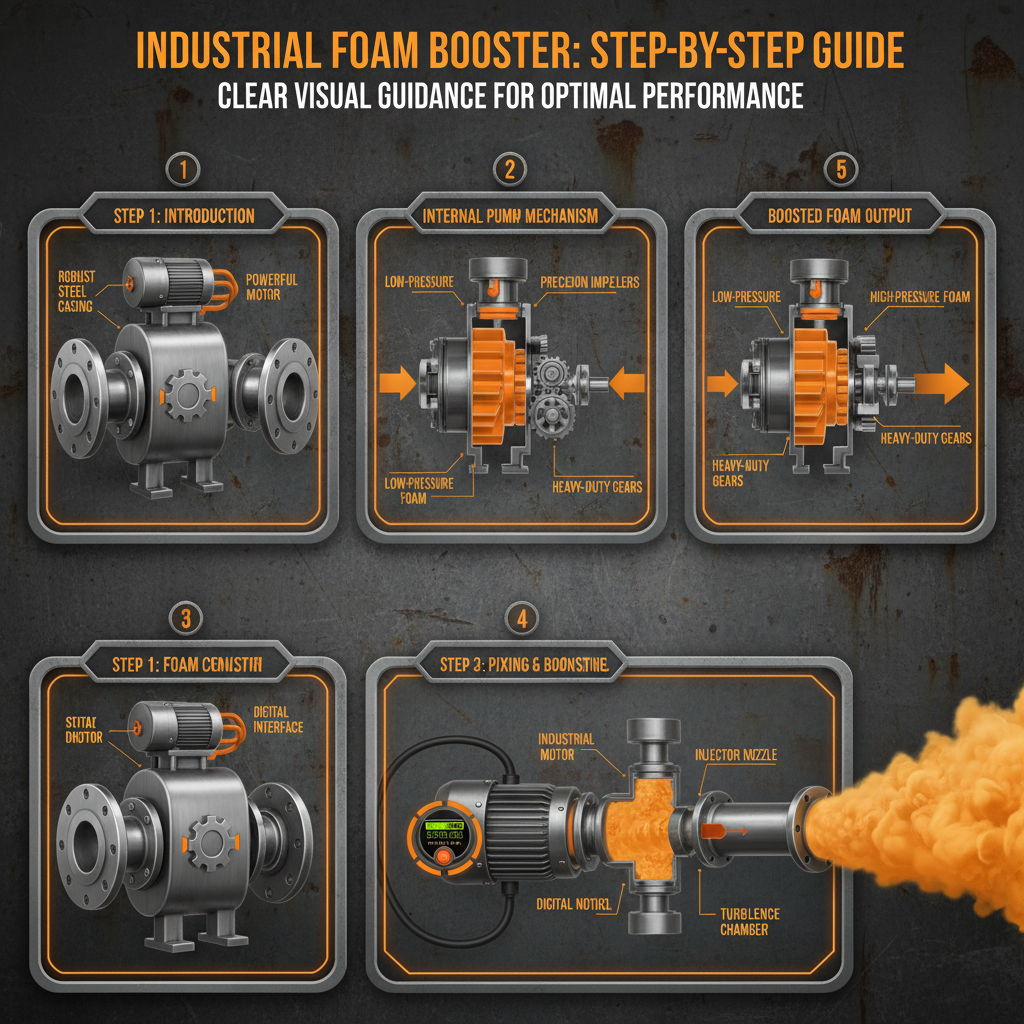
A foam booster system encompasses all the components and processes used to generate and stabilize a foam structure. This typically includes a foaming agent (a substance that creates gas bubbles), a stabilizer (to prevent bubble collapse), and a delivery mechanism. The ‘booster’ aspect refers to techniques and additives used to significantly improve the foam's volume, consistency, and performance characteristics beyond what a simple foaming agent alone could achieve.
These systems aren’t limited to chemical processes; they can also incorporate mechanical methods like high-shear mixing or ultrasonic cavitation. The choice of system depends heavily on the intended application, the types of materials being foamed, and desired environmental considerations. Recent advancements focus on incorporating bio-based and recyclable materials into the foam formulation.
Understanding the interplay between these components is crucial for achieving optimal results. For example, a carefully selected stabilizer can dramatically improve the longevity and structural integrity of a foam, enabling its use in demanding applications. foam booster solutions are increasingly focused on addressing specific industry challenges with tailored formulations.
Core Components of Effective Foam Booster
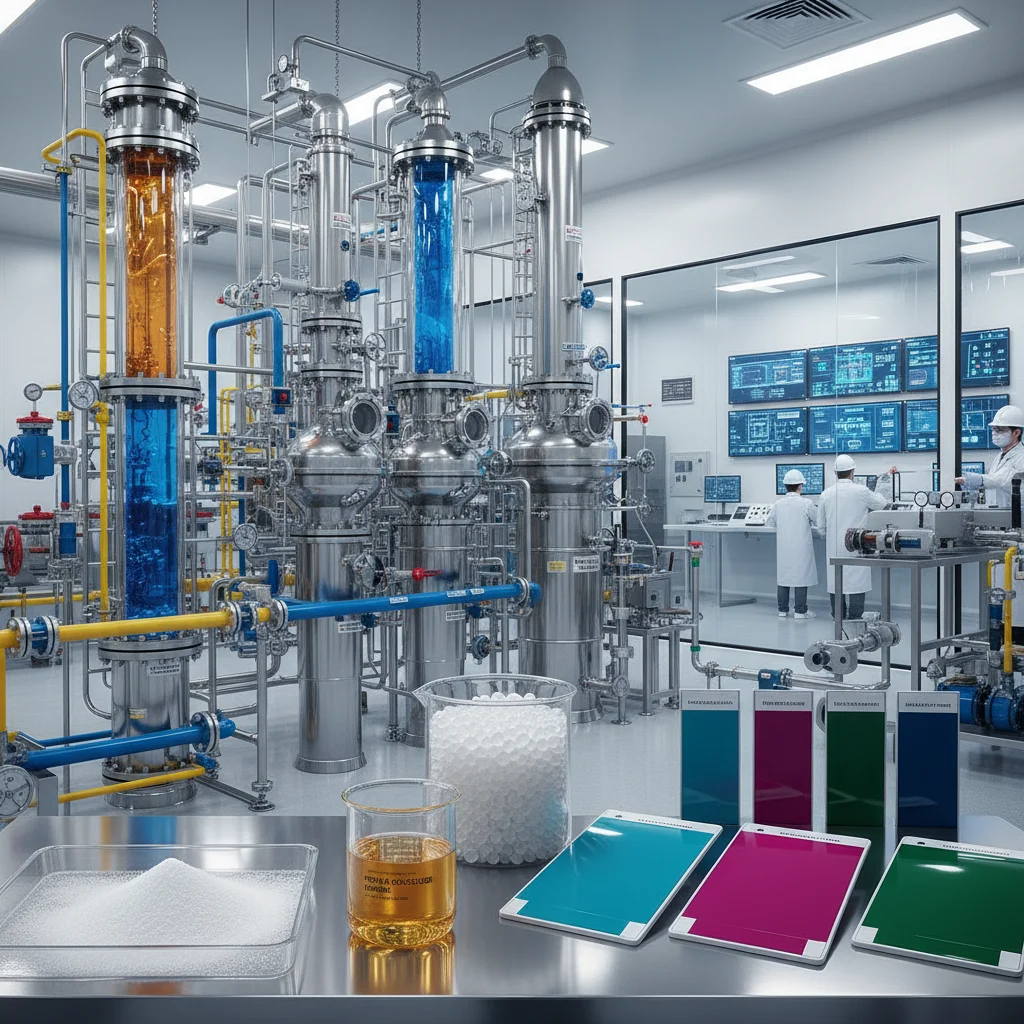
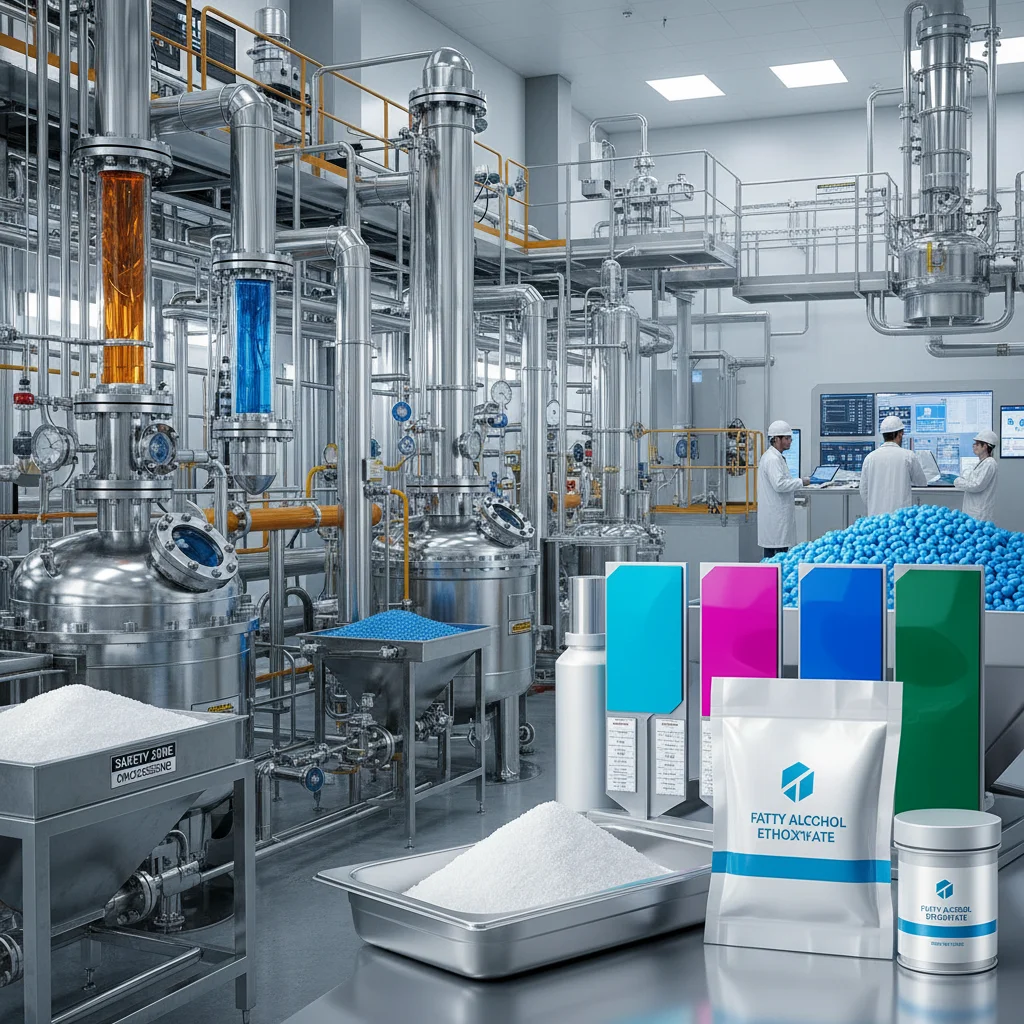
Effective foam boosting relies on several key components working in harmony. First, the foaming agent itself – this could range from surfactants and blowing agents to specialized polymers. The quality and compatibility of the foaming agent are paramount. Second, the stabilizer plays a critical role in maintaining bubble structure, preventing coalescence, and ensuring long-term foam integrity.
Third, the delivery system – encompassing mixers, injectors, and nozzles – must be precisely calibrated to create a consistent and homogenous foam structure. Precise control over gas flow and mixing intensity are vital. Finally, additives, such as catalysts, flame retardants, and colorants, can be incorporated to fine-tune the foam’s properties for specific applications.
The interaction between these components is often complex and requires careful optimization. For instance, the choice of stabilizer can significantly impact the foam's response to temperature changes or mechanical stress. The synergy between these elements ultimately determines the performance and reliability of the final foam product.
Practical Applications of Foam Booster
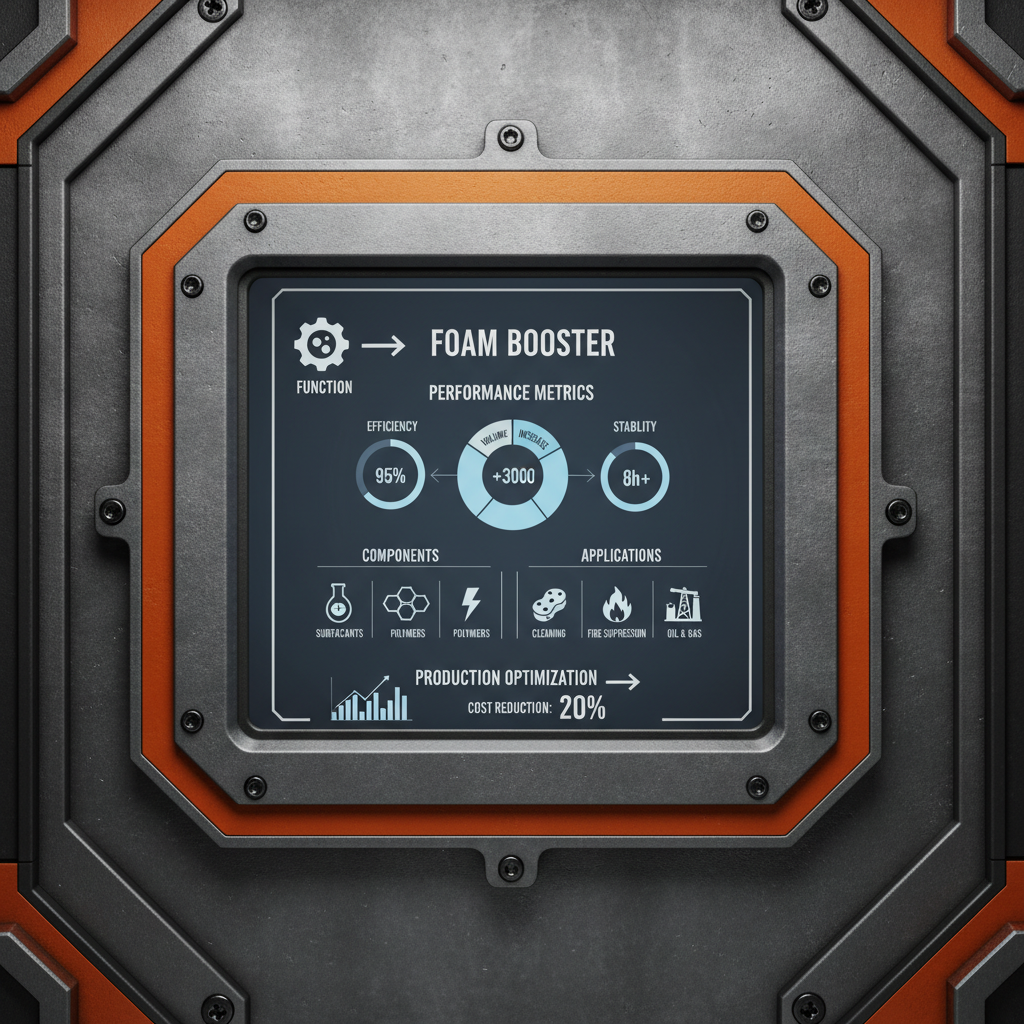
The applications of foam booster technology are remarkably diverse. In the construction industry, foam booster is used to create lightweight concrete, insulation panels, and spray foam for sealing gaps and cracks, offering significant energy savings. In packaging, it provides cushioning and protection for fragile goods during shipping, reducing damage and waste.
Emergency response teams rely on foam booster for fire suppression, oil spill containment, and creating temporary shelters. The rapid deployment and insulating properties of foam make it invaluable in disaster relief scenarios. In the automotive industry, foam booster contributes to the production of comfortable and supportive seating, impact absorption materials, and soundproofing elements.
Foam Booster Application Effectiveness Comparison
Global Deployment & Industry Impact
The global deployment of foam booster technologies is concentrated in regions with significant industrial activity and infrastructure development, such as North America, Europe, and Asia-Pacific. However, growing demand in emerging markets like Africa and Latin America is driving further expansion. Industries like construction, automotive, and packaging are witnessing the most significant impact.
Organizations involved in disaster relief and humanitarian aid are increasingly utilizing foam booster solutions for rapid shelter construction, insulation, and sanitation purposes. These applications are particularly crucial in areas affected by natural disasters or armed conflicts, where speed and efficiency are paramount.
Long-Term Advantages of Foam Booster Use
The long-term benefits of utilizing foam booster technology extend beyond immediate performance improvements. Cost efficiency is a major advantage, as foam booster systems often reduce material consumption and lower production costs. Sustainability is another key benefit, particularly with the development of bio-based and recyclable foam formulations.
Moreover, foam booster technologies contribute to improved safety standards by offering enhanced insulation, fire resistance, and impact absorption. This translates to reduced risks and enhanced protection for workers, consumers, and the environment. foam booster’s contribution to social impact cannot be overlooked – providing affordable housing and disaster relief exemplifies this.
Future Innovations in Foam Booster Technology
The future of foam booster technology is poised for significant advancements. Researchers are actively exploring new materials, such as bio-based polymers and nanomaterials, to further enhance foam properties and reduce environmental impact. Digital transformation, including the integration of AI and machine learning, is enabling more precise control over foam formulation and production processes.
Automation and robotics are streamlining foam booster applications, increasing efficiency and reducing labor costs. The development of self-healing foams, capable of repairing minor damage, is also a promising area of research. Sustainable foam technologies, focusing on closed-loop recycling and reduced carbon emissions, are gaining prominence in response to growing environmental concerns.
Summary of Key Challenges and Potential Solutions for Foam Booster Technology
| Challenge |
Impact on Foam Booster |
Potential Solution |
Implementation Timeline |
| Cost of Raw Materials |
High material costs limit affordability. |
Explore bio-based alternatives & optimize formulations. |
Short-Term (1-2 years) |
| Environmental Concerns |
Traditional blowing agents can have a high GWP. |
Implement low-GWP or zero-GWP blowing agents. |
Mid-Term (3-5 years) |
| Foam Stability |
Foam collapses or degrades over time. |
Develop advanced stabilizer formulations. |
Short-Term (1-2 years) |
| Process Control |
Inconsistent foam quality due to imprecise control. |
Integrate AI-powered control systems. |
Mid-Term (3-5 years) |
| Recyclability |
Difficulty in recycling end-of-life foam products. |
Design for disassembly and closed-loop recycling. |
Long-Term (5+ years) |
| Scalability |
Difficulty scaling production to meet demand. |
Invest in automated production lines. |
Mid-Term (3-5 years) |
FAQS
Foam booster systems offer a range of advantages, including reduced material consumption, improved foam properties (density, insulation, resilience), and lower production costs. They often allow for greater control over foam structure and enable the use of more sustainable materials. The enhanced efficiency and performance capabilities make them a compelling alternative to conventional methods.
The environmental friendliness of foam booster technologies varies depending on the specific formulation and processes used. However, there's a growing trend towards using bio-based materials, low-GWP (global warming potential) blowing agents, and closed-loop recycling systems. These innovations aim to minimize the environmental impact and promote sustainability.
A diverse range of industries can benefit from foam booster solutions. These include construction (insulation, concrete), automotive (seating, soundproofing), packaging (protective cushioning), furniture, medical devices, and disaster relief. Any application requiring lightweight, durable, or insulating materials is a potential candidate.
The lifespan of products made with foam booster technology depends heavily on the specific application, materials used, and environmental conditions. However, foam booster often enhances durability and resistance to degradation, leading to a longer lifespan compared to products made with traditional materials. Proper maintenance and protection can further extend product longevity.
Safety considerations vary depending on the specific chemicals and processes involved. Proper ventilation is essential when working with blowing agents and other volatile substances. Appropriate personal protective equipment (PPE), such as gloves and respirators, should be used. Following manufacturer's instructions and adhering to safety regulations are crucial.
The cost of implementing a foam booster system varies depending on the scale and complexity of the application. Initial investment costs include equipment purchase, installation, and training. However, these costs can often be offset by reduced material consumption, lower energy costs, and improved product performance over the long term. foam booster experts can provide tailored cost analyses.
Conclusion
In conclusion, foam booster technology represents a significant advancement in materials science, offering a compelling combination of performance, cost-effectiveness, and sustainability. From enhancing insulation in buildings to providing critical support in disaster relief, its applications are far-reaching and continually expanding. The ability to tailor foam properties to specific needs makes it a versatile solution across numerous industries.
Looking ahead, continued innovation in materials, processes, and digital control systems will unlock even greater potential for foam booster technology. Embracing these advancements will not only drive economic growth but also contribute to a more sustainable and resilient future. Visit our website at www.zjsles.com to learn more about how foam booster solutions can benefit your organization.